91% of AI Citations Ignore Your Website
Lantern analyzed 200M+ AI citations. 91% don't come from brand websites. Here's what's actually driving AI search visibility and what to do about it.
Insights on AI search, brand visibility, and content marketing.

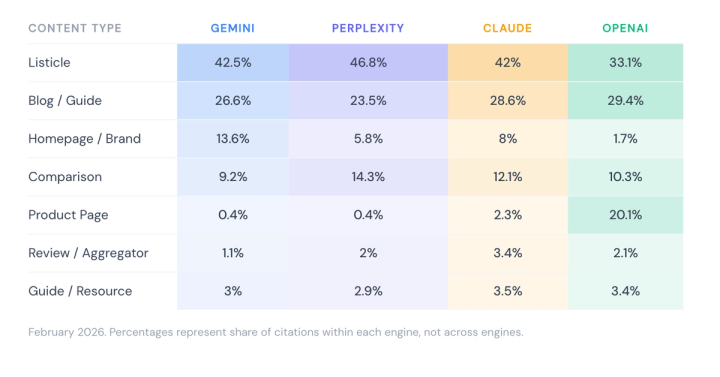
Listicles drive 35.6% of all AI citations more than any other format. Lantern's 200M+ citation dataset reveals why, and what your content team should do now.

Lantern analyzed 200M+ AI citations. 91% don't come from brand websites. Here's what's actually driving AI search visibility and what to do about it.

The brands winning AI search right now aren't working harder. They're deploying smarter agents.

The question is no longer whether AI search visibility matters. It is which tool is equipped to help you win it.

Rankings still matter, but AI visibility is rising fast. Learn how to measure and maximize your presence in ChatGPT, AI Overviews, and more.

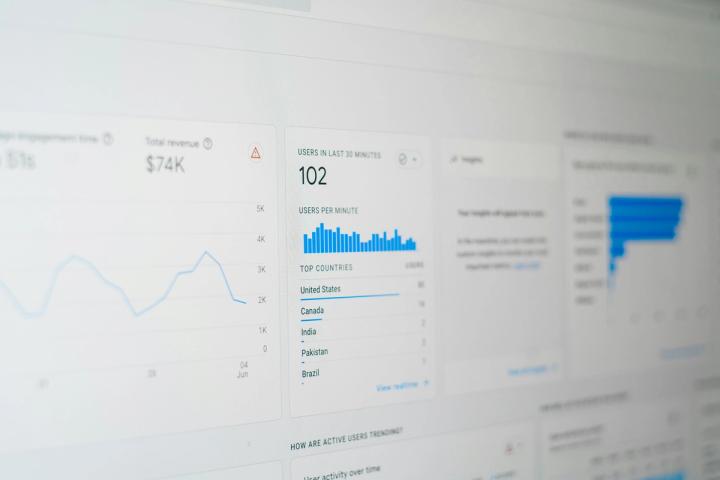
Search visibility isn't just Google anymore. Lantern now tracks both SEO performance and AI citations in one dashboard
See which Reddit threads get cited by AI. Know exactly where to post content to boost your brand's AI visibility.

Want to track how your content performs in AI search? Lantern’s page tracker shows which pages get cited in ChatGPT, Claude, Perplexity, and major AI models.

Lantern’s Strapi integration replaces manual content workflows with an end-to-end content flow that publishes to Strapi in one click, no copy-pasting or formatting fixes required.

We're excited to announce the launch of support for Anthropic Claude, a major new step in helping businesses understand how their products appear and perform across AI surfaces.

As with all core updates, this change may lead to fluctuations in Discover traffic. Some sites might see increases or decreases; many sites may see no change at all.

Managing AI search visibility for agencies at scale requires centralized tracking. Learn how to monitor and report results across multiple clients.

In 2026, “search” is no longer a single interface. People still use classic search engines, but they increasingly ask questions inside answer-first experiences, AI summaries in search results.
Answer Engine Optimization (AEO) is the practice of structuring and formatting content so AI-powered tools like ChatGPT, Perplexity, Google AI Overviews, and voice assistants can easily understand, trust, and cite it as direct answers to user queries.

Query fanout is the number of distinct downstream “work units” (subrequests, probes, or subqueries) that an AI search system initiates to satisfy a single user query, typically executed in parallel and then aggregated.

Eligibility is the same baseline as traditional Google Search. Your page must be indexed and eligible to show a snippet, and it must meet Google Search technical requirements.

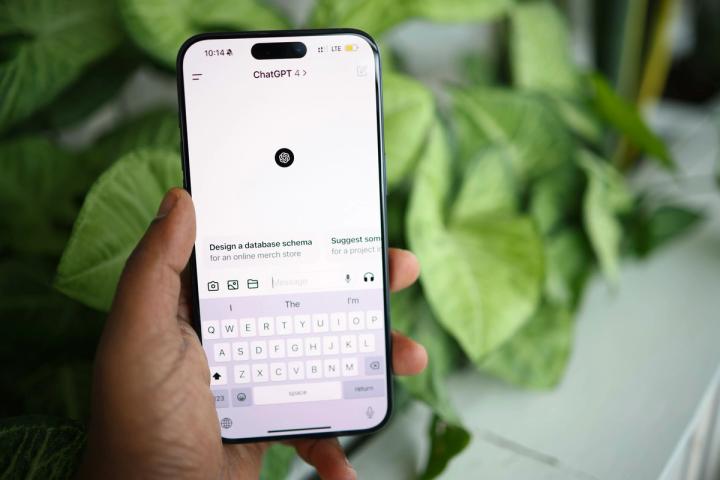
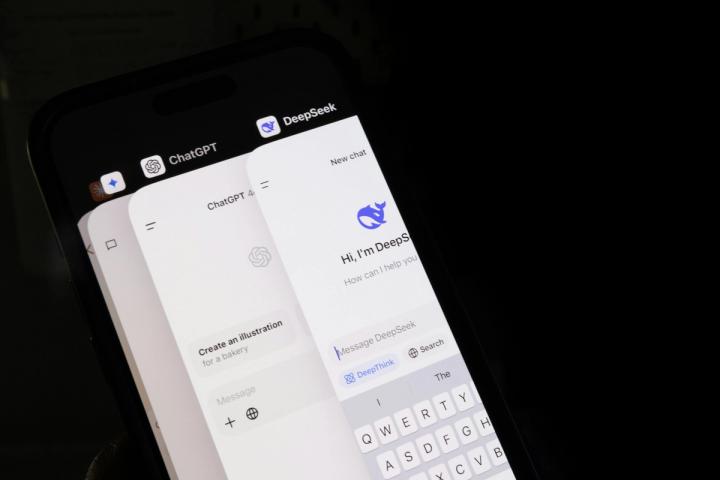
AI search is reshaping how consumers discover and purchase products. Instead of scanning traditional search results, users increasingly rely on generative AI tools such as ChatGPT, Perplexity, Gemini, Claude, and Google AI Overviews to get recommendations.

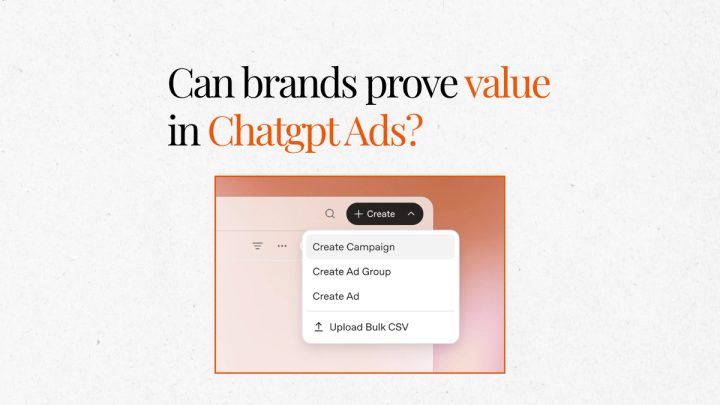
ChatGPT ads are coming. Here’s what OpenAI confirmed, what it means for marketers, and the visibility strategy to win when answers can be either sponsored or organic.

To succeed in 2026, brands must excel across three interconnected but distinct optimization disciplines. Each layer serves a different purpose, targets different platforms, and requires different content strategies and technical implementations.

Rankings still matter but citations and inclusion in AI answers matter more. This guide outlines the 2026 AI-search priorities for content, technical SEO, measurement, and brand authority.

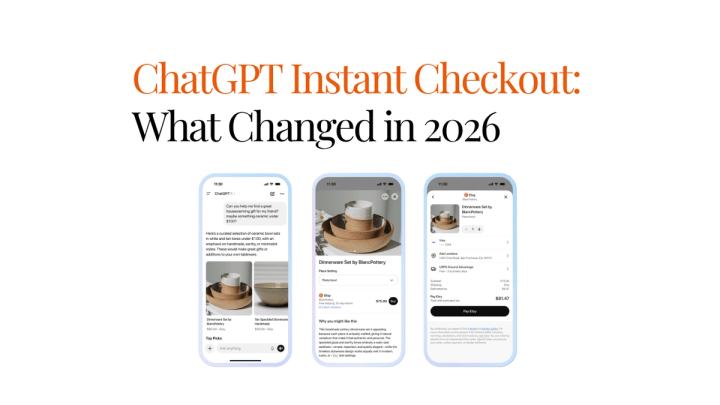
In September 2025, Shopify and OpenAI launched a feature that fundamentally changed where and how people buy products online Instant Checkout, which allows users to discover and purchase items directly inside ChatGPT conversations

AI discovery now runs on three systems, ChatGPT, Perplexity, and Google AI Overviews. This guide explains how each one sources and cites information, what breaks when you rely on SEO alone, and the operating system brands need to earn citations and recommendations

Lantern tracks visibility across ChatGPT, Perplexity, Gemini, Google AI Overviews, and Claude, presenting everything in one unified dashboard instead of separate platform silos.

We've all spent years optimizing for Google's blue links. But now your prospects are asking ChatGPT, Perplexity, and Google's AI Overviews for recommendations and if your brand isn't being cited, you're invisible.

Generative Engine Optimization (GEO) is the process of optimizing content for AI-driven search engines and generative models that deliver more sophisticated, human-like responses to user queries.

Many people are making speculations and dropping hot takes about the emergence of AI and its impact on the search experience.

The holiday season is the most competitive time of year for search visibility—but it's also the most lucrative.

Ranking #1 is no longer enough. Your content must be cited within AI-generated answers to capture user attention. Brands that optimized for AI citations saw 40% higher brand recall than those relying solely on traditional rankings.

Is your site invisible to ChatGPT and Perplexity? Our 2025 audit reveals 7 hidden technical errors blocking AI crawlers—and how to fix them today.

The content that ranked #1 on Google in 2024 might be completely invisible to ChatGPT in 2025. Here's why SEO and AEO writing are fundamentally different.

Stop guessing and start winning in AI search. This detailed guide walks you through every feature of the Lantern dashboard, your complete AEO workflow.

AI is getting your brand facts wrong. This guide provides a 4-step framework for marketers to fight back against AI hallucinations and protect brand reputation.

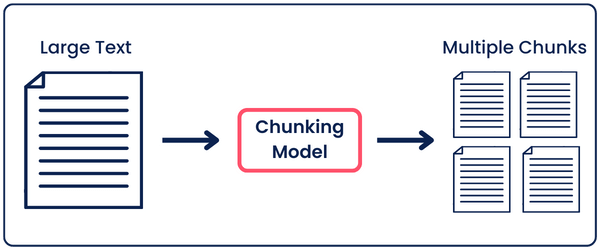
Platforms like Perplexity, ChatGPT (Search), and Google Gemini don’t just "read" pages; they ingest them into RAG (Retrieval-Augmented Generation) systems. These systems chop your content into "chunks" to generate answers.

Learn how to implement the /llms.txt standard to maximize context window efficiency for ChatGPT, Claude, and Gemini. A technical guide to AEO and clean markdown structure.

Explore the best AI search optimization tools to boost your brand’s visibility across ChatGPT, Gemini, and Google AI in 2026. Learn how Lantern and other platforms track, analyze, and improve AI-driven

Brands that stay ahead of AI platforms will be the ones winning new customers in 2025—wherever they search, or whatever asks the question for them.

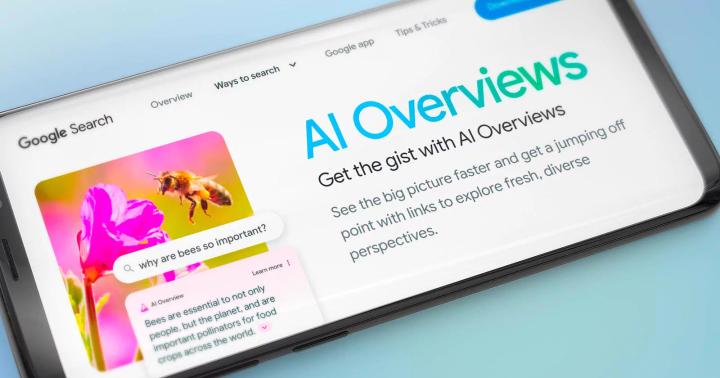
Google's AI Overviews represents one of the most significant shifts in search since the Google's inception, fundamentally altering how users discover information and how brands capture attention online

The rise of AI-powered search engines like ChatGPT, Perplexity, Claude, and Google's AI Overviews has fundamentally changed how content is discovered and cited on the web.

AI search visibility is the measure of how often and how well your brand appears in responses created by AI. These responses can be chat answers, summaries, or lists of trusted sources.

Your brand might be losing 3–12% of organic demand to AI answers. Learn the 5 signs of an AI visibility gap and how to fix it with Generative Engine Optimization (GEO).

Semantic chunking is how we create and structure content for an AI-first information age, By breaking your content into meaningful, self-contained segments that are both human-readable and machine-parsable,

The data is clear and shocking, 51% of all internet traffic is now generated by bots, not humans. Let that sink in. More than half of every single visitor, click, and page load on the internet is a machine, not a person.