The New Rules of AI Search: What Gets Recommended and Why
If an AI engine can't cleanly lift a chunk of your content and have it still make sense on its own, it simply won't get recommended, no matter how strong your brand is.
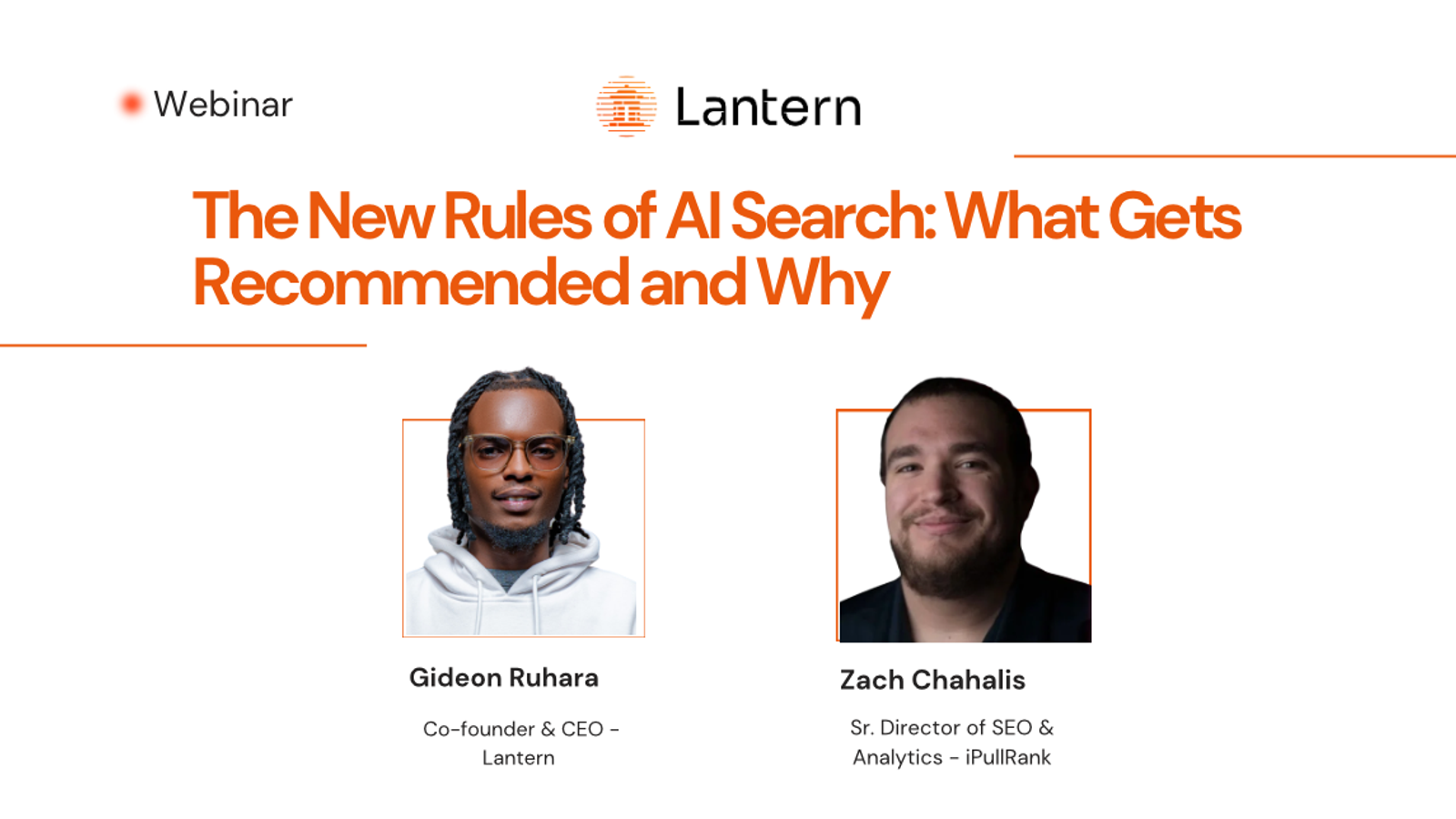
We sat down with Zach Chahalis, Senior Director of SEO and Data Analytics at iPullRank, to unpack exactly how AI search works and what it actually takes to get your brand recommended by AI engines in 2026. He described AI search as a multi stage retrieval system where content competes across branching points and is judged on factors like evidence density, scope clarity, authority, and freshness. His number one takeaway came down to one word: extractability. If an AI engine can't cleanly lift a chunk of your content and have it still make sense on its own, it simply won't get recommended, no matter how strong your brand is.
What AI engines Actually Recommend
For years, search rankings were dominated by big brands with strong authority and backlinks. But AI powered search changes the game entirely. Instead of focusing mainly on domain rating, AI values extractability, clarity, authority and solid evidence.
So how does AI decide what makes the cut? Platforms evaluate content against four key criteria:
- Extractability – Can a piece of content be pulled out on its own and still deliver a complete, meaningful message without needing extra context?
- Evidence Density – Does the content rely on verifiable data, facts, or research rather than just opinions or storytelling? The more solid proof included, the better.
- Scope Clarity – Is it obvious what the content covers, who the intended audience is, and what questions it answers? Clear focus helps AI understand its relevance.
- Authority & Corroboration – Is your site seen as a trusted expert on this specific topic, supported by external validation or citations from other reputable sources?
Here's a question to sit with: if an AI pulled a single paragraph from your site, would it still make sense and would it sell?
The Playbook: How to Win AI Visibility
This is where strategy meets execution. Chahalis refers to it as relevance engineering, a method that optimizes content for both traditional search and AI powered search simultaneously, helping brands build lasting authority.
The key tactics that drive results include:
- Semantic Chunking – Pages organized into small, focused sections, each covering a single idea. This approach improves user experience by making information easier to find and helps AI extract meaningful content without losing context, similar to dividing a book into clear chapters.
- Freshness Signals – Because AI often relies on training data that is 6 to 18 months old, clearly displaying publication and update dates signals to AI and search engines that the content is current and relevant, which benefits rankings in AI-driven search results.
- Semantic Triples – Content is written using a clear subject-predicate-object structure example “A lakehouse provides weekend relaxation”. This format helps AI map relationships between concepts, making it easier to interpret and utilize the content in responses and suggestions.
- Structured Data – Using schema.org and similar coding standards, websites label and organize important information. This structured data acts as a language AI understands, allowing it to identify key details like names, dates, and reviews, improving comprehension and accuracy in rankings.
- Omnimedia & User-Generated Content (UGC) – Incorporating content from platforms like Reddit, Quora, and YouTube, where real users share experiences and advice, adds authentic human perspectives. AI prioritizes this type of content as it offers valuable insights for comparisons and problem-solving.
Key Takeaways
- AI judges content based on four main things: how well it can pull out useful pieces (extractability), how much real proof it has (evidence density), how clear its topic and audience are (scope clarity), and how trusted the source is with support from other places (authority and corroboration).
- The most effective tactics for AI visibility in 2026 are breaking content into clear sections, showing recent dates, using special coding to label content, and writing simple, clear sentences that show relationships.
- AI prefers content from Reddit, Quora, and YouTube when people are looking to compare options or solve problems because real human experiences matter more than polished brand messages.
- Creating lots of low quality AI content may boost visibility for a short time, but it quickly damages trust and rankings. High quality content on the other hand builds lasting success, while shortcuts lead to failure.
- To measure success with AI search, it’s important to look at three things: how well the content scores, how visible and positively received it is on AI platforms, and how well it converts visitors into customers.
Start implementing these winning tactics and learn more about the strategies driving real results by watching the recording here!