How to Rank in Google AI Overviews
Eligibility is the same baseline as traditional Google Search. Your page must be indexed and eligible to show a snippet, and it must meet Google Search technical requirements.
On this page
On this page
What Google AI Overviews are actually optimizing in 2026
The most important starting point is not a trick, a hack, or a new markup. It is eligibility and quality.
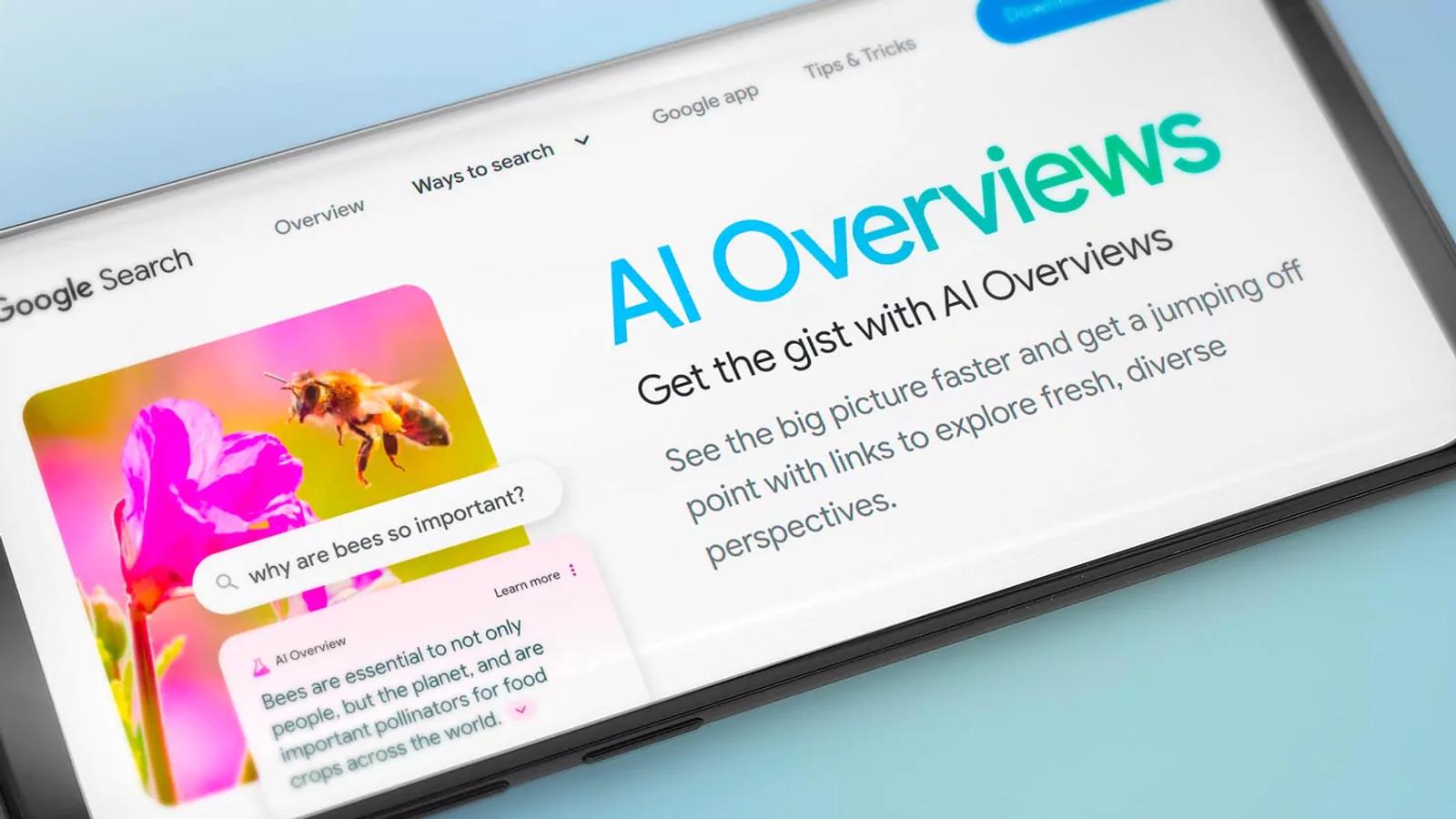
From a mechanics perspective, Google describes AI Overviews as an experience that combines a customized Gemini model with existing Search systems such as Google’s quality and ranking systems and the Knowledge Graph. Google also says AI Overviews are built to surface information backed up by top web results and include links to web content that supports the information shown in the overview.
For brands this has two big consequences.
- First, indexability and snippet eligibility are non‑negotiable. If Google can’t crawl, index, and render a page in a way that produces a snippet, that page can’t be chosen as a supporting link or citation.
- Second, citations are a selection event, not a reward you “earn” once and keep forever. Google is explicit that meeting requirements does not guarantee crawling, indexing, or surfacing in AI features, and AI Overviews only show when the system decides they add value and is confident in the answer.
The surface itself is also moving quickly. In early 2026, Google announced upgrades that made a newer Gemini model the default for AI Overviews globally and tightened the handoff into AI Mode via follow‑up questions, which means the same content can now be pulled into more interaction paths.
Google’s documentation also notes that AI Overviews and AI Mode can use query fan‑out, issuing multiple related searches across subtopics and data sources, then stitching them into a single response. A March 2025 announcement described this more concretely as a way to gain extra breadth and depth by running those related searches in parallel and combining the results.
The simplest way to think about this for brands is as a funnel or pipeline:
- Crawl + index + snippet eligibility → you enter the candidate set.
- Ranking and retrieval signals → you get pulled in for fan‑out sub‑queries.
- Structure and authority signals → you are easy to extract and safe to cite.
How citations change clicks
AI Overviews don’t just change what the SERP looks like; they change how people click and how you measure success.
Pew Research looked at nearly 69,000 Google searches in March 2025 and found a clear pattern: when an AI Overview appeared, only 8 percent of searches led to a click on a traditional search result, versus 15 percent when there was no AI summary. In the same study, just around 1 percent of searches with an AI Overview led to a click on a link inside the AI box.
So AI Overviews don’t remove value – they re‑concentrate it.
Google continues to stress that AI Overviews are built to drive discovery and that the design has been adjusted over time to make supporting links more visible (including more prominent link UI and inline references), with internal tests showing increased traffic to some linked sites versus previous designs. Google also notes that, for some queries, links inside AI Overviews can get more clicks than if the same page had appeared only as a classic web listing.
For brand's content strategy, that leads to a two‑track optimization goal:
- You still need to rank because organic visibility and AI citations are increasingly correlated; when people do click, they’ll often come from those cited links.
- You also need to write so that AI Overviews can quote you cleanly, which both raises your odds of being cited and increases the chance that users who click land on a page that immediately confirms what they just read in the AI box and then offers depth.
There’s also a measurement wrinkle that matters to brands as an analytics product: Google states that traffic from AI features is rolled into standard Search Console web search reporting, not broken out as its own dimension. That means brands can align its own citation tracking with Search Console outcomes, but you shouldn’t expect a neat “AI Overview” filter in Google’s own tools any time soon.
What AI Overview looks like for in your site
1. Indexability and snippet eligibility
Make sure:
- Googlebot can crawl key pages (robots.txt, meta robots, and server rules aren’t blocking them).
- Important URLs are indexed and appear in Search Console’s performance and indexing reports.
- There are no
nosnippetdirectives or other settings that suppress snippet generation. - Core content is text‑visible in the HTML (or at least reliably rendered), not hidden entirely behind fragile client‑side rendering.
2. Structured data and snippet
Help AI systems understand and trust your content:
- Use Article, FAQPage, and HowTo schema where relevant, and keep it consistent with what users see on the page.
- Implement Organization schema with sameAs links to authoritative profiles (LinkedIn, Crunchbase, etc.) to strengthen entity clarity.
- Make authorship credible on high‑stakes pages: real people, real credentials, clear editorial review and update notes.
3. Crawl controls and AI crawlers
Beyond Google, other AI search products rely on their own crawlers and controls:
- OpenAI uses OAI‑SearchBot for search discovery and GPTBot for model training.
- Perplexity uses PerplexityBot for surfacing and linking sites, plus a user‑driven fetcher.
- Anthropic uses a family of Claude bots for training, user retrieval, and search.
You don’t have to open everything to everyone, but you should consciously decide which bots can see your content for discovery, and which you might want to block for training or other reasons.
4. llms.txt
llms.txt is emerging as a way to tell language models how to use your site at inference time: where to go, what’s important, and what’s off‑limits. It can be a helpful navigation and grounding aid, but it does not replace indexing and snippet eligibility.
If you use llms.txt:
- Keep hostnames and redirects consistent (for example, don’t split between example.com and www.example.com without clear canonicalization).
- Treat it as a curated “cheat sheet” for your best, most authoritative resources.
What winners in AI citations have in common
Studies that look across millions of queries and citations in AI surfaces (Google AI Overviews/Mode, ChatGPT search, Perplexity, etc.) show a few consistent patterns.
1. They still win on classic SEO
- AI Overviews are not “random”; they pull heavily from pages that already rank well.
- Citation–ranking overlap is rising over time, even if it isn’t perfect.
- In many niches, the same domains dominate both organic listings and AI citations.
2. Their content is built as answer blocks
High‑citation pages tend to:
- Use segmented structures (clear sections answering specific sub‑questions).
- Rely on templates: listicles, step‑by‑step guides, checklists, and rigid formats in sensitive topics.
- Use semantic HTML (tables for data, proper headings, clean lists).
- Include FAQ sections that read like real user questions.
This “answer block” architecture makes it easier for AI systems to lift and attribute specific chunks of content safely.
3. They signal authority and recency
Highly cited sources typically:
- Have visible expert authorship and editorial controls.
- Show updated dates and clear change logs.
- Are backed by a strong entity footprint (consistent brand presence and corroboration across the web).
4. They publish data others want to cite
One advantage you can build: publish original, well‑explained data that fills a gap.
Examples:
- Regular benchmarks on how often AI Overviews appear in your niche.
- Citation share by domain, query type, or content format.
- Before/after snapshots for major Google or model changes.
If your data becomes the easiest source to quote for a given question, AI systems, and human writers, will keep coming back to it.
A practical playbook for marketing teams
If you own SEO or content and want your brand cited in AI answers, here’s a condensed plan.
Step 1: Fix technical files
- Audit robots, indexing, and snippets for your key pages.
- Make sure core content is visible, renderable, and not blocked.
- Standardize canonicals and hostnames so each URL has a single, stable identity.
Step 2: Restructure pillar content as answer blocks
For your key educational or strategy posts:
- Start with a short, quotable “bottom line” summary near the top.
- Add a clear, scannable checklist or table that matches how practitioners actually work.
- Break the post into sections that each answer one sub‑question you’d expect an AI to handle in a multi‑part response.
- Add a focused FAQ that mirrors long‑tail questions users type into AI tools, not just search keywords.
Step 3: Upgrade authority signals
- Put real experts on the byline for high‑stakes topics.
- Document your editorial and review process.
- Keep a visible update cadence for core evergreen pieces (and don’t fake it).
Step 4: Build a simple GEO/AEO measurement layer
- Track where your brand and URLs are cited or mentioned in AI search products.
- Map those citations against Search Console impressions, clicks, and ranking data.
- Define a small set of new KPIs: citation frequency, answer accuracy (did the AI describe you correctly?), and share of voice across engines.
Step 5: Add one “unfakeable” data asset
- Pick a narrow, defensible slice of your category (e.g., AI SEO queries, tools, or practices).
- Publish a small, clear, regularly updated dataset with methodology explained.
- Use it to support your own content and give AI systems a reason to prefer your pages when they need a statistic or benchmark.
You don’t have to “game” AI Overviews to win. You do have to:
- Make your content easy to find and parse.
- Structure it so it’s safe and convenient to quote.
- Prove you’re a credible voice in your space.
For marketing teams, that’s the real shift: you’re no longer just fighting for blue links. You’re competing to become the source of record inside the answers your buyers are already reading.