Google Search March 2026 core update
Google officially began rolling out its March 2026 Core Update on March 27, 2026 and it is still in progress. The rollout is expected to take up to two weeks to complete
On this page
On this page
Google officially began rolling out its March 2026 Core Update on March 27, 2026 and it is still in progress. The rollout is expected to take up to two weeks to complete. If you are seeing ranking or traffic movement right now, this is why.
Here is what Google said, what it affects, and what it means for your content.
What to expect
Google updated its Search Status Dashboard to state: "Released the March 2026 core update. The rollout may take up to 2 weeks to complete."
Google also said: "This is a regular update designed to better surface relevant, satisfying content for searchers from all types of sites."
That is Google's official statement. No technical breakdown. No list of targeted industries. No specific signals called out. That is intentional core updates are broad recalibrations of Google's entire ranking system, not targeted changes to one factor or one type of site.
What Makes This Update Notable
This is the first broad core update of 2026. It comes after an unusually busy start to the year for Google's algorithm:
- The February 2026 update ran from February 5 to February 27 and was scoped exclusively to Discover the first time Google publicly labeled a core update as Discover-only.
- The March 2026 spam update rolled out and finished in under 20 hours on March 24–25 the shortest confirmed spam update in Google's dashboard history.
- Now, just two days later, the first broad core update of the year is underway.
Three official updates in Q1 2026 an unusually high frequency.
What This Update Affects
Google confirmed this is a global, broad update. That means:
- It impacts all regions, in all languages.
- Core updates impact Google Discover and other features, including featured snippets and more not just organic rankings.
- Google also makes smaller, unannounced core updates between the larger announced ones, according to its core updates documentation updated in December 2025.
What "Regular Update" Actually Means
Google describing this as a "regular update" is not the same as saying it is a minor one. "Regular" means Google is continuing to refine its existing systems rather than introducing a brand-new framework. In practice, these refinements can still produce significant ranking shifts.
A core update is not a penalty. It is a recalibration. A negative rankings impact may not mean anything is wrong with your pages. It means Google's system is now weighting relevance and content quality differently across the web.
What Google Says to Do If You Are Hit
Google didn't share new guidance specific to the March 2026 core update. However, its standing advice remains:
"There's nothing new or special that creators need to do for this update as long as they've been making satisfying content meant for people. For those that might not be ranking as well, we strongly encourage reading our creating helpful, reliable, people-first content help page."
In practical terms, Google's guidance breaks down to this:
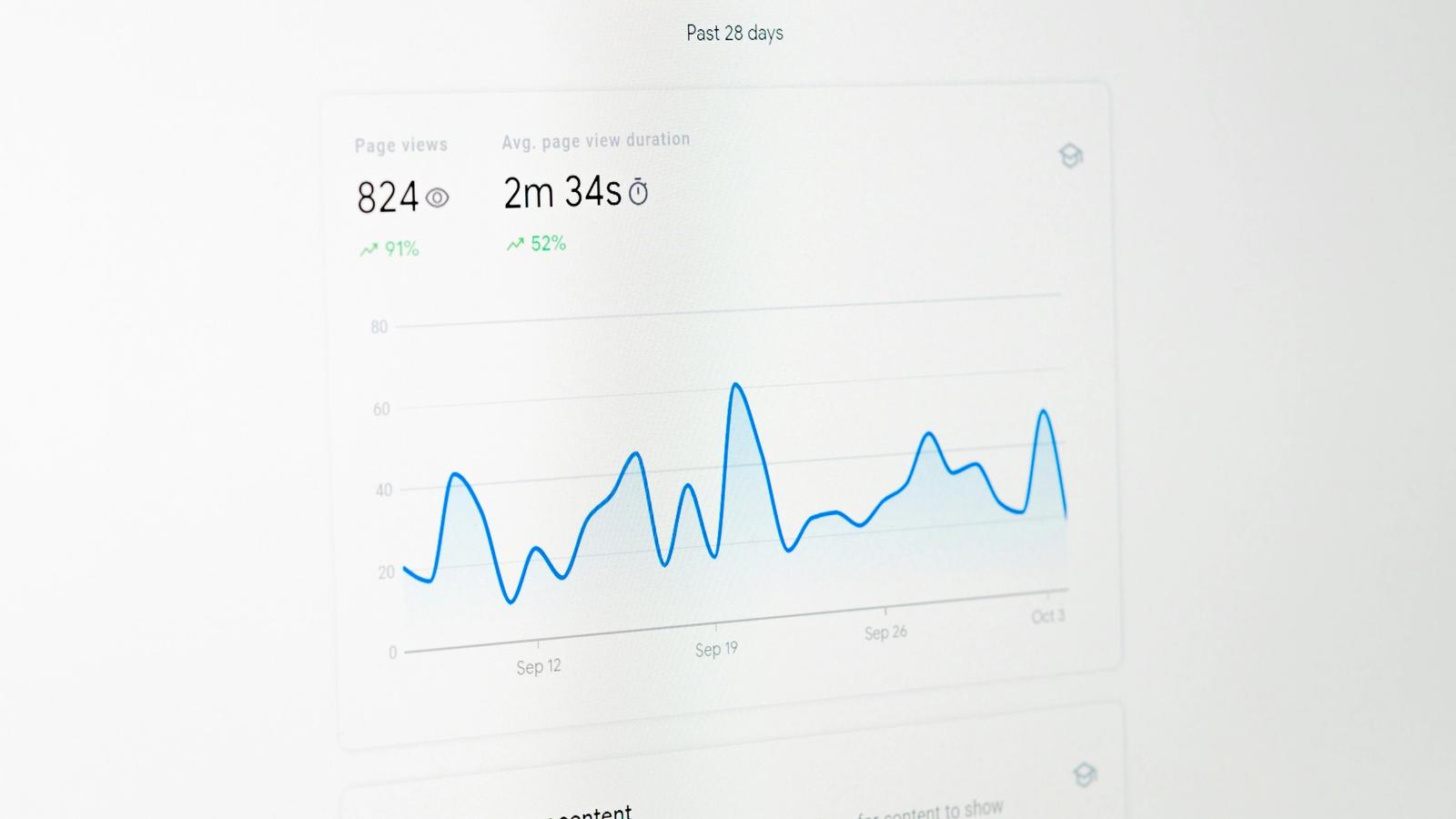
Don't make immediate reactive changes. Ranking changes could appear across sites throughout early April as the rollout continues. Wait for the full picture before acting.
Compare against the right baseline. If you see ranking or traffic changes over the next two weeks, compare performance against a baseline period before the rollout started on March 27.
Audit your content honestly. Google's self-assessment questions for core updates centre on one core idea: does this page genuinely serve the person searching, or was it built primarily to rank?
Understand recovery takes time. You may see some recovery between core updates, but the biggest changes tend to follow another core update.
What This Means for AI Search Visibility
The content signals at the centre of this update genuine expertise, clear authorship, original answers, people-first depth are the exact same signals that determine whether your brand gets cited in ChatGPT, Perplexity, Gemini, and Google AI Overviews.
This is not a coincidence. Google and AI search engines are evaluating content quality with increasingly similar criteria. If your pages took a hit in this update, they are very likely underperforming in AI search too and that is traffic that will not show up in your Google Analytics, because AI-referred visits often arrive without a referral tag.
Fixing your content for the March 2026 Core Update and fixing it for AI visibility is the same work. You do not have to choose between the two.
FAQ
Q: Is this a penalty? A: No. A drop in rankings after a core update doesn't indicate a policy violation. Core updates reassess content quality across the web, and some pages move up while others move down.
Q: My rankings dropped. What do I do first? A: Wait for the rollout to finish it is still in progress. Then open Google Search Console, compare the March 27 onwards data against your pre-update baseline, and identify which pages moved most.
Q: When will rankings stabilise? A: Google will update the Search Status Dashboard when the rollout is complete. Based on recent core updates, completion typically takes two to three weeks.
Q: Will there be more updates this year? A: Yes. Google will do periodic refreshes to this algorithm but may not communicate those updates in the future.
Q: Can I recover before the next core update? A: Possibly. You may see some recovery between core updates, but the biggest changes tend to follow another core update. Improving your content now puts you in the best position for the next rollout.
The Bottom Line
The Google March 2026 Core Update is still rolling out. Rankings will continue shifting over the next two weeks. The message from Google is consistent with every core update before it: content built for people with genuine expertise, clear answers, and real depth is what ranks.
What is different in 2026 is where that content needs to perform. Google rankings are no longer the only measure of search visibility. The same content quality signals driving this update are the ones determining whether your brand appears in AI-generated answers which are quietly becoming the first stop for a growing share of queries.
Want to know how visible your brand is in AI search? Lantern tracks your mentions across ChatGPT, Perplexity, Google AI Overviews, and Claude and deploys agent to autonomously ensure you are winning in your category Get your free AI visibility report at asklantern.com.