What is Zero-Click Search in 2026
60% of searches now end without a single click. Someone got their answer, formed an opinion, and moved on and none of it shows up in your analytics. Here's what zero-click search actually means for marketing teams, and what to do about it.
On this page
On this page
Search in 2026 is no longer defined by ten blue links and a click-through race.
It is defined by answers delivered directly on the results page, in AI-generated summaries, inside local interfaces, and through answer engines that resolve intent before a visit ever happens.
For marketers, zero-click search 2026 is not a side trend. It is becoming the default behavior of AI-mediated discovery.
The shift has been building for years, but the pace is now impossible to ignore. In 2024, 58.5% of U.S. searches and 59.7% of E.U. searches ended without a click.
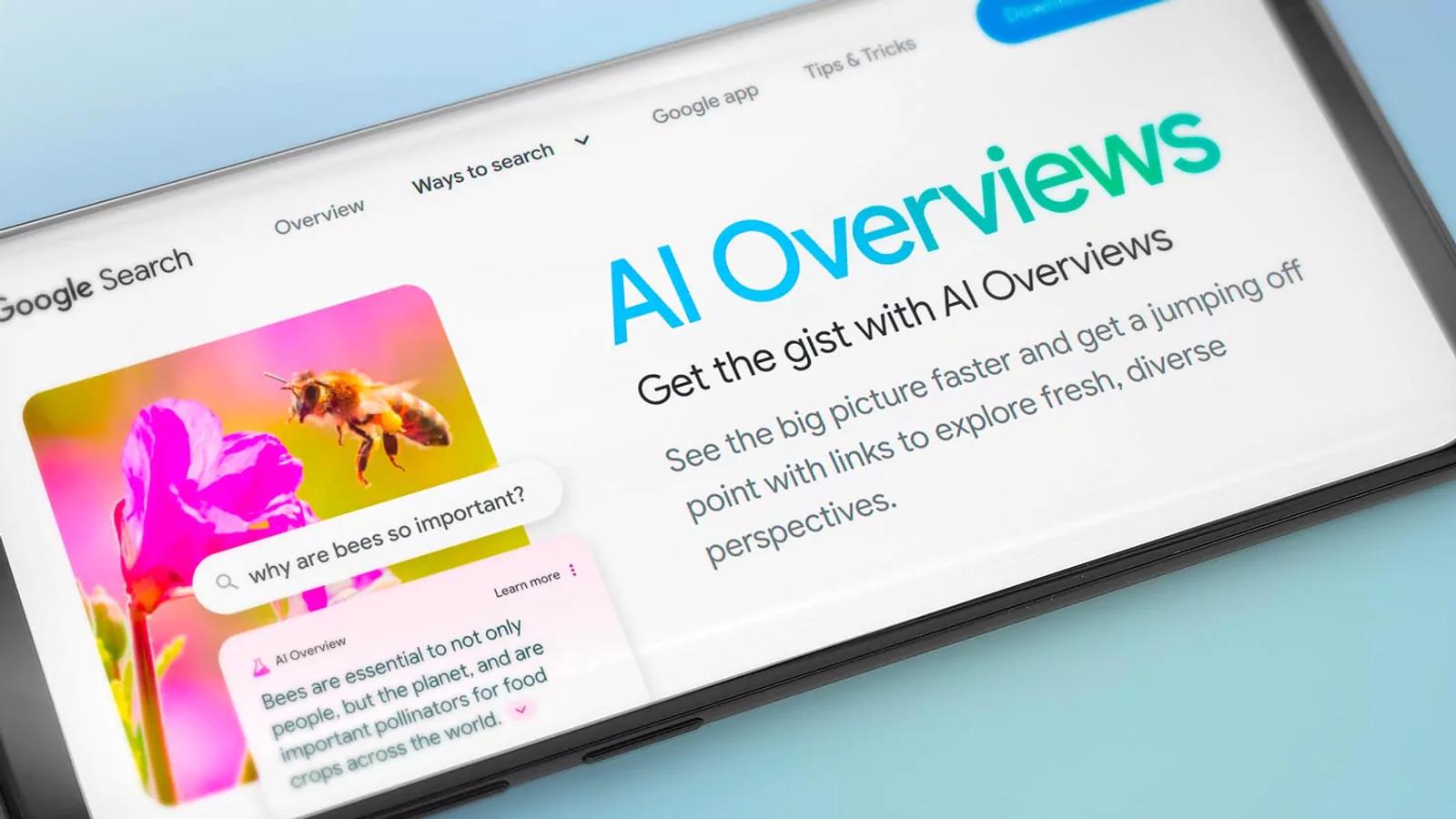
By March 2025, AI Overviews appeared for 13.14% of queries, up from 6.49% in January 2025, showing how quickly answer-first interfaces can expand. At the same time, 80% of consumers report relying on zero-click results in at least 40% of their searches. That combination changes how visibility works, how traffic behaves, and how marketing teams must report value.
For brands, the question is no longer whether zero-click behavior affects SEO. It is how to win in an environment where ranking alone is not enough, citations matter as much as positions, and entity clarity can determine whether a brand is mentioned, summarized, or ignored. The marketers who adapt will not chase clicks indiscriminately. They will build search visibility across answers, citations, and downstream demand.
What zero-click search means in 2026
In its original form, zero-click search described a search session that ended on the search results page without a visit to another website. In 2026, the concept is broader. It includes any search experience where the platform resolves the user’s need through an on-platform answer, summary, interface, or recommendation, reducing or replacing the need to click through to a publisher site.
That means zero-click search now spans both classic search features and AI-native experiences. A user may get a factual answer, compare providers, identify a location, understand a process, or narrow a purchase decision without leaving the results environment.
Common examples of zero-click results in 2026
- Featured snippets that extract a direct answer from a source page
- Knowledge panels that summarize entities such as brands, people, products, and organizations
- Local packs that answer place-based intent with maps, reviews, hours, and contact details
- Instant answers for definitions, calculations, dates, weather, and basic facts
- AI Overviews that synthesize information from multiple sources into one response
- Answer engines that generate conversational responses and cite source material selectively
The defining feature is not whether a source exists behind the answer. It is whether the user needs to click to make progress. In many cases, they do not. They receive enough information to move forward, shortlist options, or return later via branded search.
How AI changes zero-click behavior
AI has changed search from a ranking contest into a visibility contest across summaries, citations, and entity recognition. Traditional rankings still matter, but they no longer guarantee presence in the answer layer. A page can rank well and still be absent from AI-generated responses if the system cannot parse the source clearly, trust the entity, or identify a concise answer worth citing.
From blue-link rankings to citation competition
In a classic SEO model, success often meant securing page-one positions and increasing click-through rate. In an AI-mediated model, success increasingly means being cited, referenced, or used as a trusted source in generated answers. This is a different kind of competition. Instead of asking, “Do we rank number three?” marketers must ask, “Are we included in the answer set, and is our brand attributed?”
That distinction matters because AI systems frequently synthesize from multiple sources. They may cite a publisher for a definition, a brand site for specifications, and a third source for comparative context. Visibility becomes distributed. The prize is not always the click. It may be the mention that shapes perception before the user ever visits.
What zero-click search means for marketers
For marketing teams, zero-click search affects more than SEO tactics. It changes visibility models, traffic expectations, attribution logic, and executive communication. Many organizations still report search success through rankings and sessions alone. That framework is no longer enough.
Visibility expands beyond clicks
A brand can now influence a search outcome without receiving a visit. If it appears in an AI Overview, is mentioned in a local result, or is summarized in an answer engine, it may shape awareness and consideration despite generating no immediate session. That influence still has value. It may drive branded search, direct traffic, assisted conversions, or later demand capture through other channels.
The lower-click environment changes forecasting
Forecasting based only on historical organic click curves will become less reliable in 2026. If answer layers continue to expand, top-ranking positions may produce fewer clicks than they did in previous years. Teams need models that separate search visibility value from traffic value. That helps explain why rankings can improve while sessions flatten, or why impressions rise while click-through rate falls.
Executive reporting needs a new narrative
Leaders need context for what changed. A decline in clicks does not automatically mean weaker performance. If impression share grows, citations increase, branded search rises, and AI referrals convert at a stronger rate, the marketing program may be improving even as raw traffic contracts. The job of the marketer is to connect those signals into a coherent story tied to pipeline, revenue, and category presence.
In 2026, search performance is not only about earning the visit. It is about earning the mention, the citation, and the preference before the visit happens.
How to optimize for zero-click visibility in 2026
Winning in a zero-click environment requires content that serves both humans and machines. It must answer questions quickly, establish authority clearly, and make information easy to extract. These are the foundations of practical optimization.
Build entity clarity into every important page
Each core page should make it obvious who the brand is, what the page is about, and why the source is credible. Use consistent brand naming, clear topical focus, explicit product and service descriptions, author information where relevant, and supporting trust signals such as credentials, references, or original data.
Use structured data and schema markup
Structured data helps search systems interpret page elements with less ambiguity. Depending on the page type, relevant schema can include organization, product, FAQ, article, how-to, local business, author, and review markup. Schema is not a guarantee of AI citation, but it improves machine understanding and supports richer result eligibility.
Create strong heading structure
AI systems often parse content in sections. Pages with clear heading hierarchy, descriptive subheads, and tightly organized sections are easier to interpret than pages that bury answers in long blocks of text. Good heading structure also improves the chance that a page contributes to answer extraction.
Write concise answer blocks
Many zero-click surfaces prefer compact, direct responses. Include short answer blocks near the top of relevant sections, followed by deeper explanation. For example, define a term in two or three sentences before expanding into detail. This format serves both featured snippets and AI summaries.
Strengthen source credibility
Credibility signals matter more in AI-mediated search because systems are making source selection decisions at scale. Publish with clear bylines where appropriate, reference primary sources, keep policy and company information current, and make contact and ownership details easy to verify. For YMYL-adjacent topics, stronger editorial rigor is essential.
Increase refresh cadence on high-value pages
Stale pages are less likely to be trusted on fast-moving topics. Refresh pages with updated definitions, current examples, revised data points, and more recent context. In a search environment shaped by AI, freshness and factual accuracy can affect whether a page is selected into answer generation.
Adopt AI-readable formatting
AI-readable formatting means content that is easy to segment, summarize, and attribute. Use short paragraphs, explicit topic framing, tables or lists when appropriate, and straightforward language. Avoid unnecessary filler. The goal is not writing for bots. It is writing with enough clarity that machines can represent the content accurately.
Support crawl and retrieval with llms.txt and sound page architecture
As AI retrieval practices mature, teams are exploring tools such as llms.txt to signal preferred AI-accessible content paths and publishing policies. Alongside that, page architecture still matters: logical internal linking, canonical discipline, crawlable HTML, stable URLs, and a clean content hierarchy all improve discoverability and retrieval efficiency.
How GEO and AEO connect to SEO
Zero-click strategy in 2026 sits at the intersection of SEO, GEO, and AEO. These are not separate silos. They are related disciplines responding to the same shift in search behavior.
SEO remains the foundation
Technical accessibility, relevance, authority, and information architecture still underpin discoverability. Without strong SEO, content is less likely to be crawled, understood, and trusted. SEO remains the base layer.
AEO focuses on direct answer readiness
Answer Engine Optimization aims to make content eligible for extraction into direct answers. It emphasizes question targeting, concise responses, clear formatting, and source trust. AEO is particularly useful for informational and comparison queries that can be resolved in-platform.
GEO focuses on generative inclusion
Generative Engine Optimization extends this logic to AI systems that synthesize from multiple sources. GEO is about improving the probability that a brand, page, or entity is included in generated outputs with clear attribution. It prioritizes machine-readable structure, entity clarity, factual consistency, and topical authority across a content set.
The best zero-click programs do not treat these as competing methods. They use SEO to establish discoverability, AEO to improve answer extraction, and GEO to improve citation and generative visibility.
How to measure success beyond clicks
If marketers continue to judge search only by sessions, they will miss much of the value being created in 2026. Measurement needs to reflect a lower-click, higher-visibility environment.
Core metrics to track
- Impressions on core query sets and topic clusters
- Citation presence in AI summaries and answer engines
- Branded search lift following growth in non-click visibility
- Assisted conversions where search influenced later conversion paths
- AI referral traffic and its downstream conversion quality
- Entity coverage across brand, product, category, and executive topics
These metrics help distinguish between lost traffic and shifted value. If a page loses clicks because an AI answer resolves basic questions, but branded search and conversion-assisting visits rise, the content may still be doing strategic work.
Marketers also need regular monitoring of AI search results. That includes tracking whether the brand appears in summaries, which pages are cited, how the brand is described, and where attribution is missing or inaccurate. Teams building this capability can support AI search monitoring through resources such as https://docs.asklantern.com.
FAQ
Is zero-click search bad for SEO?
No. It changes what SEO is optimizing for. Rankings still matter, but visibility now includes answer inclusion, citation presence, and entity recognition. SEO is evolving from a click-centric discipline into a broader search visibility discipline.
What is the difference between zero-click search and AI search?
Zero-click search refers to searches resolved without a website visit. AI search is one major driver of zero-click behavior, but not the only one. Featured snippets, local packs, knowledge panels, and instant answers can all create zero-click outcomes without generative AI.
Should marketers still care about rankings in 2026?
Yes, but rankings are no longer the full picture. Strong rankings improve eligibility for discovery and citation, yet brands also need structured content, clear entities, and trustworthy sources to appear in AI-generated answers.
How should teams explain declining organic clicks to leadership?
Frame the change around search behavior. If zero-click interactions rise, click volume may fall even when visibility improves. Pair click data with impressions, citation presence, branded search growth, assisted conversions, and AI referral quality to show the full impact.
What content types are most vulnerable to zero-click behavior?
Basic informational content, straightforward definitions, and simple how-to questions are especially exposed because platforms can answer them directly. Pages that add original analysis, tools, comparison frameworks, proprietary data, or conversion-specific detail remain more click-worthy.
Can zero-click visibility still drive revenue?
Yes. Visibility can shape awareness and preference before a visit occurs, and AI-referred visitors may arrive with higher intent. That is why some studies show AI-referred traffic converting at substantially higher rates than standard search clicks.
The strategic takeaway for 2026
Zero-click search 2026 is not a temporary disruption. It is the operating reality of modern search. Users want answers faster. Search platforms want to resolve intent on-platform. AI systems want sources they can parse, trust, and cite. For marketers, the winning response is not to resist that change, but to design for it.
That means treating visibility as more than traffic, building content that works in answer-driven environments, measuring influence beyond clicks, and preparing teams to monitor a search landscape that shifts week by week. Brands that do this well will still earn visits, but they will also earn something just as valuable: inclusion in the answers that shape demand before the click.
If your team is preparing for the next phase of AI search, now is the time to audit your visibility, strengthen entity clarity, and modernize your reporting model. The brands that adapt first will define how they are seen in 2026, not react to how platforms choose to describe them later.